Common Entry Points Raccoons Use to Access Buildings
People seeking raccoon removal often want to identify and seal common entry points raccoons use to access buildings, with local service providers ready to handle this effectively.
If you’ve been researching how raccoons gain access to buildings, you’re in the right place. Property owners in the area often find raccoons entering through unexpected spots, which can lead to property damage, health concerns, and ongoing pest issues. Understanding the common entry points raccoons use to access buildings is essential for preventing unwanted visits and safeguarding your property. This knowledge can also help you recognize potential vulnerabilities before a raccoon makes itself at home, making it easier to address the problem early on.
Local contractors who specialize in raccoon removal are well-versed in identifying these entry points and can provide practical solutions to seal them off. Whether it’s a damaged vent, an open soffit, or a small gap around utility lines, these professionals can assess your property and recommend effective steps to keep raccoons out. Keep reading to learn about the typical ways raccoons access buildings and discover how experienced service providers can help protect your property from these clever critters.
- Attic Entry Repairs - homeowners noticing raccoons in their attic may need local contractors to seal potential entry points and prevent re-entry.
- Vents and Chimney Sealing - when raccoons are found using vents or chimneys as access points, local pros can install protective barriers to block these openings.
- Roof and Eaves Inspection - if raccoons are accessing buildings through damaged roof areas or eaves, experienced service providers can assess and secure these entry points.
- Foundation and Basement Checks - signs of raccoon activity near basement vents or foundation cracks can be addressed by local contractors to eliminate access routes.
- Exterior Wall Repairs - raccoons may exploit gaps in siding or wall openings; local pros can identify and repair these vulnerabilities to keep animals out.
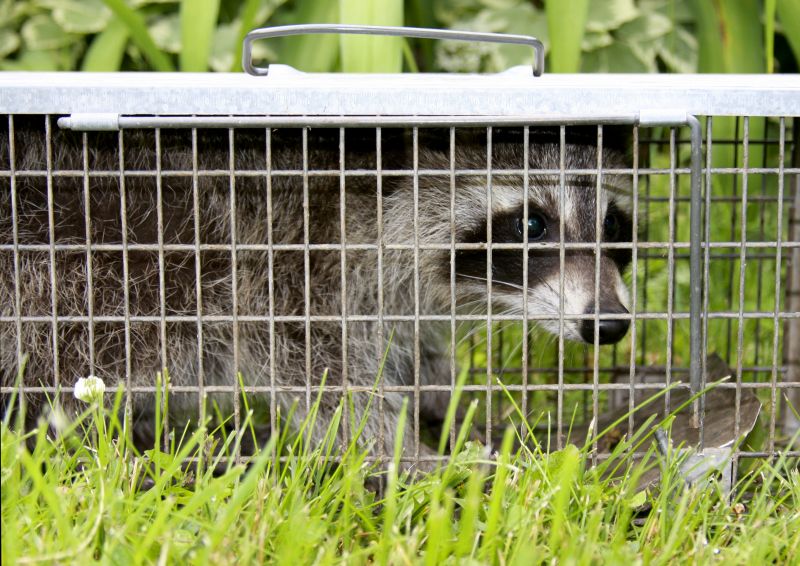
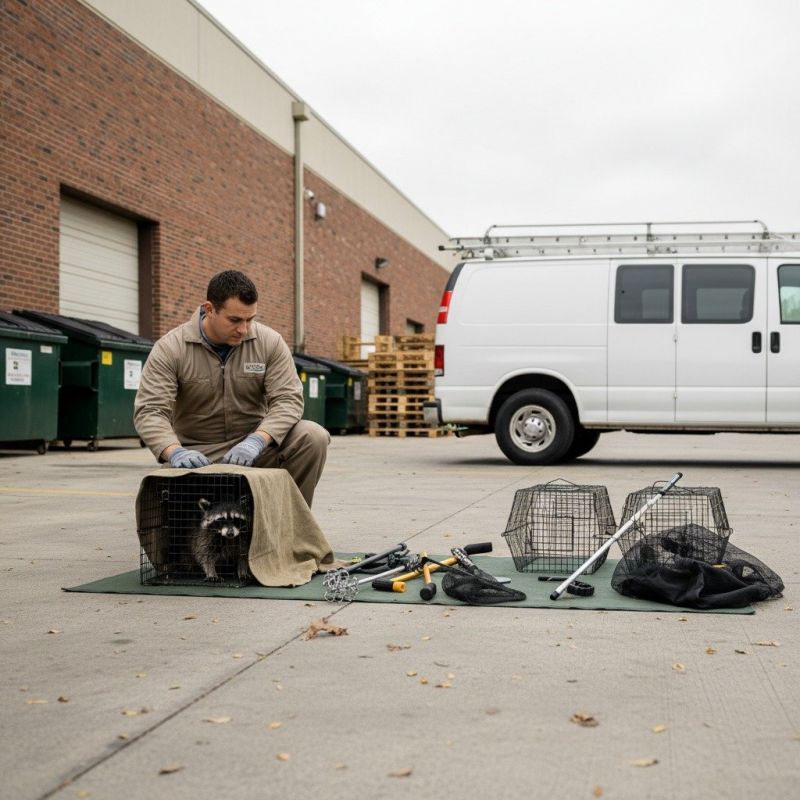
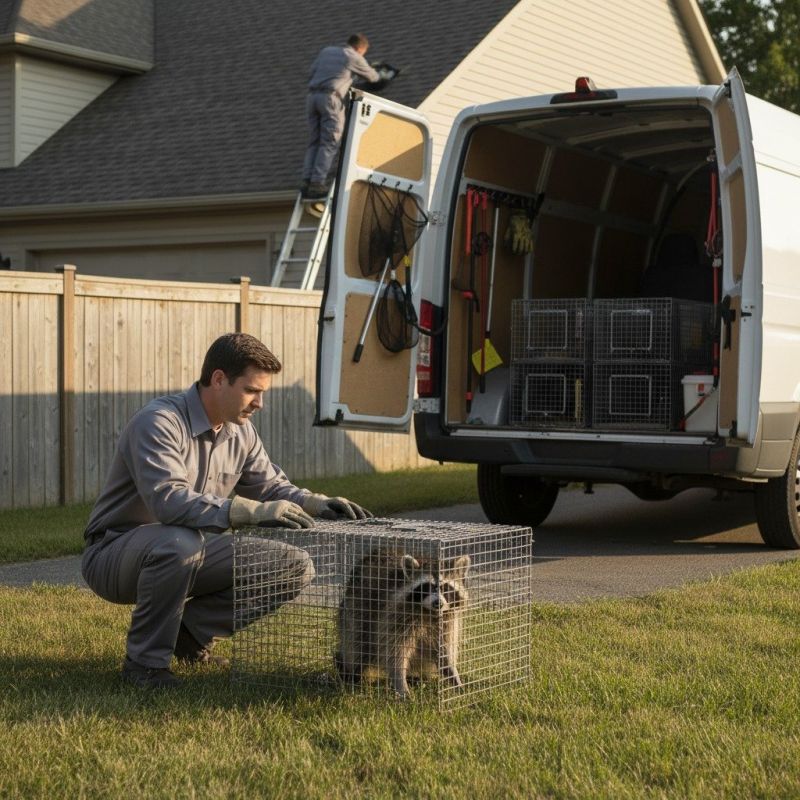
When people search for information about common entry points raccoons use to access buildings, they are often trying to identify how these clever animals manage to get inside homes, garages, or commercial properties. Raccoons are known for their ability to exploit small openings and weak spots in a building’s exterior, which allows them to enter spaces where they might find shelter or food. Homeowners may be concerned about raccoons nesting in attics, crawl spaces, or wall cavities, and understanding their entry habits can help in planning effective removal and exclusion strategies. This topic is especially relevant for those experiencing raccoon activity on their property, as it provides insight into how these animals are gaining access and what areas need inspection.
The problems associated with raccoon entry points often relate to property damage, contamination, or the risk of future infestations. Raccoons can cause significant damage by tearing apart insulation, chewing on wiring, or creating new openings in the building’s structure. For property owners, identifying these entry points is a crucial step in solving ongoing raccoon issues and preventing re-entry. Many plans for raccoon removal and exclusion revolve around sealing off these access points once the animals are safely removed. Local service providers specializing in raccoon removal can assess the property, locate these common entry points, and implement measures to block raccoon access effectively, reducing the likelihood of recurring problems.
Certain types of properties tend to be more vulnerable to raccoon entry points. Residential homes, especially those with accessible attics, roof vents, or poorly sealed foundations, frequently attract raccoons seeking shelter or food sources. Commercial buildings with loading docks, storage areas, or gaps in the exterior walls can also be targeted by raccoons. Properties near wooded areas or water sources are particularly susceptible, as raccoons are naturally drawn to environments with abundant food and cover. Recognizing these property types helps homeowners and property managers understand the importance of regular inspections and maintenance to prevent raccoon entry, and it highlights the role of local contractors in providing targeted exclusion services.
Understanding the common entry points raccoons use to access buildings is a key part of addressing raccoon-related issues effectively. Local pros who specialize in raccoon removal and exclusion are equipped to identify these vulnerabilities and help property owners implement solutions. They can inspect for small holes, damaged vents, gaps around pipes, or other weak spots that raccoons often exploit. By working with experienced service providers, property owners can not only remove raccoons safely but also reduce the risk of future intrusions by sealing off these entry points. This proactive approach helps protect the property’s integrity and minimizes the chances of ongoing raccoon problems.
Building Inspection Services - professionals who identify potential entry points raccoons use to access buildings can help assess vulnerabilities in structures and recommend effective sealing methods.
Wildlife Exclusion Projects - contractors specializing in exclusion work focus on blocking common entry points raccoons use, ensuring animals cannot re-enter after removal.
Roofing and Attic Repair - experts in roof and attic repairs address access points like damaged vents and soffits that raccoons often exploit to gain entry.
Foundation and Basement Sealing - service providers who seal foundation cracks and basement openings prevent raccoons from using these pathways to access interior spaces.
Gutter and Roof Vent Maintenance - specialists who maintain and repair gutters and roof vents help eliminate common raccoon entry points around the building's roofline.
Structural Reinforcement Services - contractors focused on reinforcing building exteriors can secure weak points that raccoons frequently use to enter buildings.
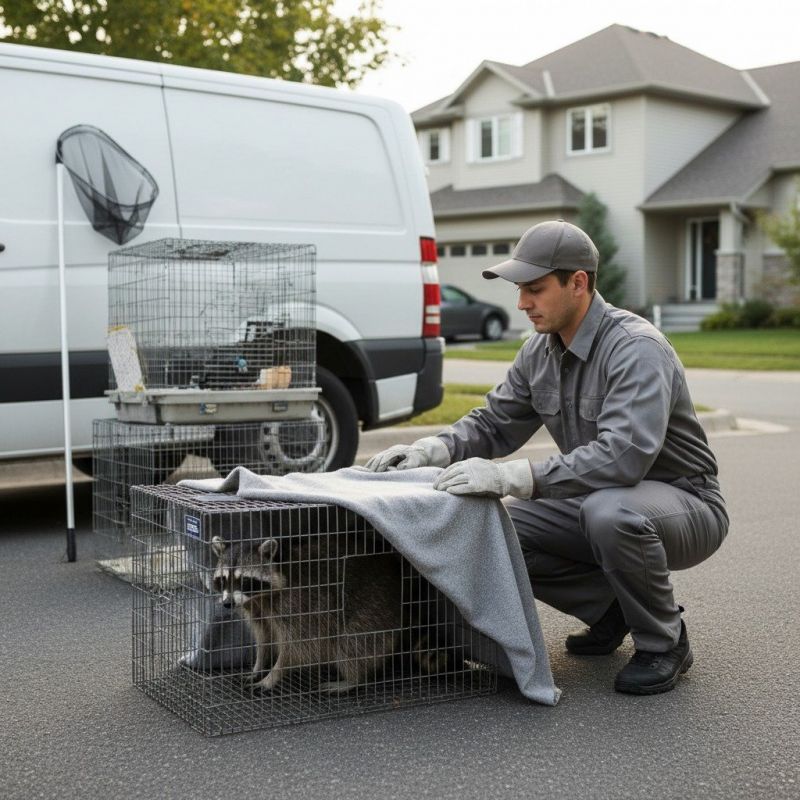
When evaluating service providers for raccoon removal, it is important to consider their experience with similar projects, particularly those involving common entry points raccoons use to access buildings. An experienced local contractor will have a better understanding of how raccoons typically gain entry, such as through roof vents, chimneys, or gaps in siding, and can tailor their approach accordingly. This familiarity can lead to more effective and lasting solutions, reducing the likelihood of repeat issues. Homeowners should inquire about the contractor’s past work in raccoon exclusion and removal to ensure they have the practical knowledge needed for the specific challenges posed by these entry points.
Clear written expectations are essential when comparing local service providers. A reputable contractor should be able to provide a detailed scope of work, outlining the steps they will take to identify and seal common entry points raccoons use. This documentation helps ensure there is a mutual understanding of the process and what is included in the service. Homeowners are encouraged to ask for a written plan that describes how the removal will be conducted, what areas will be addressed, and any follow-up measures. Well-defined expectations can help avoid misunderstandings and ensure that the project meets the homeowner’s needs.
Reputable references and good communication are key factors to consider when choosing a local contractor. Service providers with positive references from previous clients can offer insights into their reliability, professionalism, and effectiveness in raccoon removal projects. Additionally, a contractor who communicates clearly and promptly can better address questions or concerns throughout the process. Homeowners should seek out service providers who are transparent about their methods, responsive to inquiries, and willing to provide references or examples of past work. This level of professionalism can contribute significantly to a smoother and more successful raccoon exclusion effort.
Property owners often search for common entry points raccoons use to access buildings when they are planning practical projects around their homes and businesses. Local pros provide Raccoon Removal services for everyday jobs and straightforward project options.

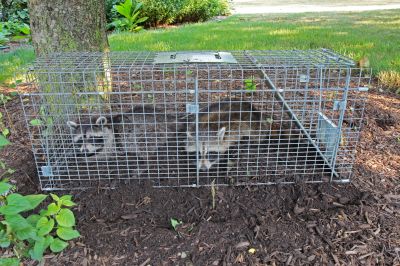
Understanding the common entry points raccoons use to access buildings is essential for property owners dealing with potential wildlife intrusions. Raccoons are known for their ability to exploit small openings, such as gaps around vents, chimneys, and attic vents, as well as damaged soffits and eaves. These animals often seek easy access to warm, sheltered areas, especially during colder months or when searching for food. Recognizing these vulnerabilities can help property owners identify where raccoons might attempt to enter and take preventative measures to secure their buildings.
When raccoons manage to get inside, property owners may consider professional raccoon removal services to address the situation effectively. Local contractors experienced in wildlife exclusion can assess the property for entry points, safely remove any raccoons, and seal the openings to prevent future visits. Engaging these service providers ensures that the problem is handled humanely and thoroughly, helping to protect the building’s integrity and the safety of the occupants.
What are the most common entry points raccoons use to access buildings? Raccoons often access buildings through roof vents, chimneys, attic vents, broken soffits, and gaps around utility lines, making these areas prime entry points for removal services.
How can I identify if raccoons are entering my building? Signs include raccoon droppings near entry points, damaged insulation, sounds from the attic, or visible damage around roof openings, prompting the need for professional removal services.
Why do raccoons target specific entry points to access buildings? Raccoons seek easy, sheltered access to secure places like attics or crawl spaces, often exploiting weak spots such as damaged vents or gaps in roofing materials.
Are there particular building features that raccoons prefer to use as entry points? Raccoons favor openings like broken or loose roof vents, uncapped chimneys, damaged soffits, and gaps around utility penetrations, which provide accessible routes into structures.
What steps do local contractors take to seal common raccoon entry points? They typically inspect for damage or openings, then secure or repair vents, chimney caps, soffits, and other vulnerable areas to prevent raccoon entry and protect buildings from future access.
Identifying structural vulnerabilities - property owners can work with local contractors to inspect buildings for gaps or cracks that raccoons may use as entry points.
Sealing entry points - after identifying common raccoon access points, property owners can have local pros seal these openings to prevent future intrusions.
Installing raccoon-proof barriers - adding specialized barriers around vents, chimneys, or attic openings can help block raccoons from gaining access.
Regular property inspections - scheduling routine checks with local service providers ensures ongoing protection against raccoon entry points.
If you are thinking about common entry points raccoons use to access buildings for a property, this guide is meant to help you understand this topic, the typical project types, and how different options might fit your plans.
When you are ready, you can use the quote form on this page to share a few details about your project. From there, local pros can review the basics and follow up with options that match what you have in mind.